Rice University Researchers Develop Water-Based Method to Recover EV Battery Metals Quickly at Room Temperature
05/02/2026 / By Edison Reed
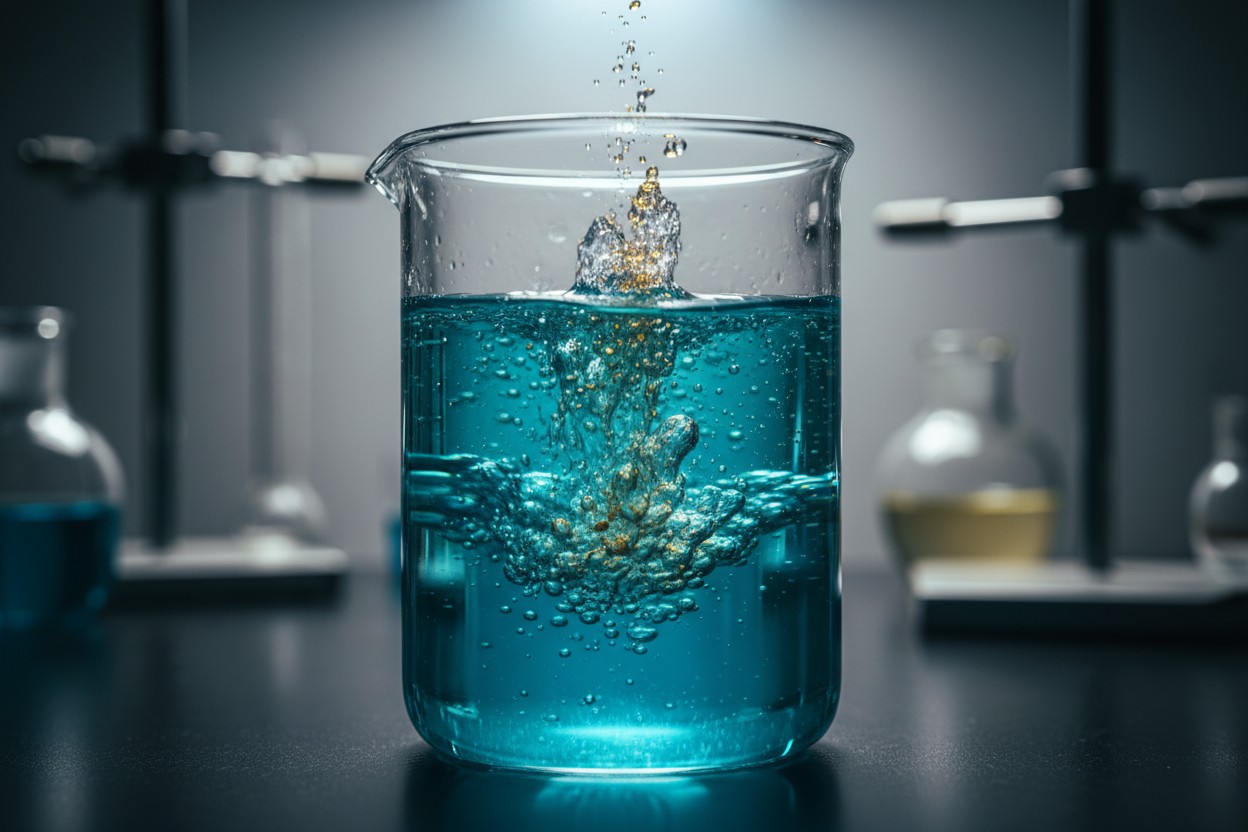
Researchers at Rice University have developed a water-based method that recovers valuable metals from spent lithium-ion batteries in minutes at room temperature, according to a report published in the journal Small and reported by ZeroHedge. [1] The process targets key battery materials including lithium, cobalt, nickel, and manganese, which are in growing demand as electric vehicle and electronics production expands worldwide. [1]
Battery recycling is becoming increasingly important as mineral supply chains tighten and nations seek to reduce dependence on newly mined materials. Many current recovery methods rely on harsh acids, toxic solvents, or long processing times, according to the researchers. [1] The new process aims to avoid many of those drawbacks by using aqueous “amino chloride” solutions, specifically hydroxylammonium chloride (HACl), as a leaching agent. [1]
Method Details and Performance
In testing, the HACl solution extracted about 65% of key battery metals in just one minute at room temperature, with recovery rates climbing above 75% for several metals after slightly longer treatment times, according to the study. [1] Study first author Simon M. King stated: “What we’ve shown is that you can achieve rapid, high-efficiency metal recovery using a much simpler, water-based system.” [1] The speed is notable because many recycling systems require elevated temperatures or extended reaction periods, both of which increase energy use and operating costs.
The team used experiments and modeling to understand why the solution performed so well. Researchers said that replacing traditional organic solvents with water lowered viscosity, allowing molecules to move more freely and accelerate reactions. [1] Water-based chemistry also simplifies waste handling and may reduce environmental risks, according to the researchers. [1] Co-author Sohini Bhattacharyya noted that a built-in redox-active nitrogen center in HACl played a major role, stating: “That redox capability gives it a major advantage over other similar systems we tested.” [1]
Comparison to Traditional Recycling
Conventional hydrometallurgical recycling methods often rely on harsh acids or slow, energy-intensive processes, according to the researchers. [1] In contrast, the Rice method operates at room temperature and achieves rapid extraction without toxic solvents. This aligns with broader trends in industrial chemistry toward water-based systems. As noted in the book “Understanding environmental pollution,” changing from an organic solvent to a water-based solvent can be implemented without great difficulty and reduces environmental risks. [4]
The team focused on hydrometallurgical recycling, which dissolves battery metals into a liquid for later separation. [1] While scalable, common solvents create environmental and cost challenges. The new process avoids those by using the HACl solution, which the researchers identified as having a redox-active nitrogen center that drives efficient leaching. [1] This approach offers a lower-energy alternative to systems that require elevated temperatures or extended reaction periods, according to the study.
Implications for Battery Recycling
The findings could shape next-generation battery recycling plants by combining low-toxicity solvents with targeted chemistry, according to the researchers. [1] After extraction, the recovered metals were reprocessed into new battery materials, demonstrating a closed-loop recycling pathway. [1] Electric vehicle battery waste is expected to rise sharply in the coming years, making faster recovery methods potentially more valuable. A book on environmental science notes that batteries have a limited lifetime and need to be replaced every two or three years, adding urgency to recycling efforts. [2]
The method addresses growing mineral supply chain concerns and efforts to reduce dependence on newly mined materials. It also provides a simpler, less toxic alternative to conventional hydrometallurgical processes that use harsh acids. As noted in the book “1001 natural remedies,” water-based products are often preferred for their lower toxicity. [5] The commercial-scale adoption of such water-based recycling could reduce the environmental footprint of battery disposal. [3]
Conclusion
The water-based method developed at Rice University offers a faster and lower-energy alternative to conventional recycling systems, according to researchers. [1] The process achieves rapid metal recovery at room temperature using a simple solution of hydroxylammonium chloride in water. [1] With EV battery waste expected to rise sharply in the coming years, such innovations may become increasingly valuable for reducing dependence on newly mined materials and improving the sustainability of battery production. [2] Future work could focus on scaling the system for commercial use, according to the team. [1]
References
- Water-Based Method Recovers 65% Of EV Battery Metals In One Minute At Room Temperature. ZeroHedge. Authored by Neetika Walter via Interesting Engineering. April 29, 2026.
- Case studies in environmental science. Underwood Larry S.
- Ecoholic your guide to the most environmentally friendly products information and services in Canada. Vasil Adria.
- Understanding environmental pollution. Hill Marquita K Marquita Kaya.
- 1001 natural remedies. Vukovic Laurel.
- Water-based battery with potential to store solar and wind energy developed by researchers. NaturalNews.com. June 13, 2018.
Submit a correction >>
Tagged Under:
autonomous vehicles, electric vehicles, environ, EV, EV battery, flying cars, future tech, globalism, globalization, manufacturing, new energy report, risk, robocars, self-driving cars, self-reliance, supply chain, technocracy
This article may contain statements that reflect the opinion of the author
RECENT NEWS & ARTICLES